
Envision AI Hybrid Mobile App Development Solutions
About Our Hybrid Mobile App Development
At Envision AI, we marry creativity with expertise to ensure your app not only meets but exceeds expectations. Through every phase from ideation to deployment, we engage closely with you to deliver products that perfectly align with your objectives. Opt for Envision AI for design that revolves around the user, functionality that stands strong, and performance that exceeds norms.
Embark on the journey of crafting extraordinary mobile experiences. Let Envision AI elevate your brand with a bespoke hybrid app, co-creating the future of mobile technology.
![8271825[2]](https://envisionai.io/dev_envisionai.io/wp-content/uploads/2024/02/82718252.jpg "8271825[2]")
Comprehensive Hybrid App Development For Your Brand
Envision AI delivers tailored app development and ongoing support. Whether designing your initial app, planning digital transformation, or handling back- and front-end development, our experts have you covered. We optimize performance, boost conversion rates, and ensure bug-free, user-friendly apps through independent testing.
The team's expertise in developing B2B, B2C, B2B2C, and custom mobile applications includes:

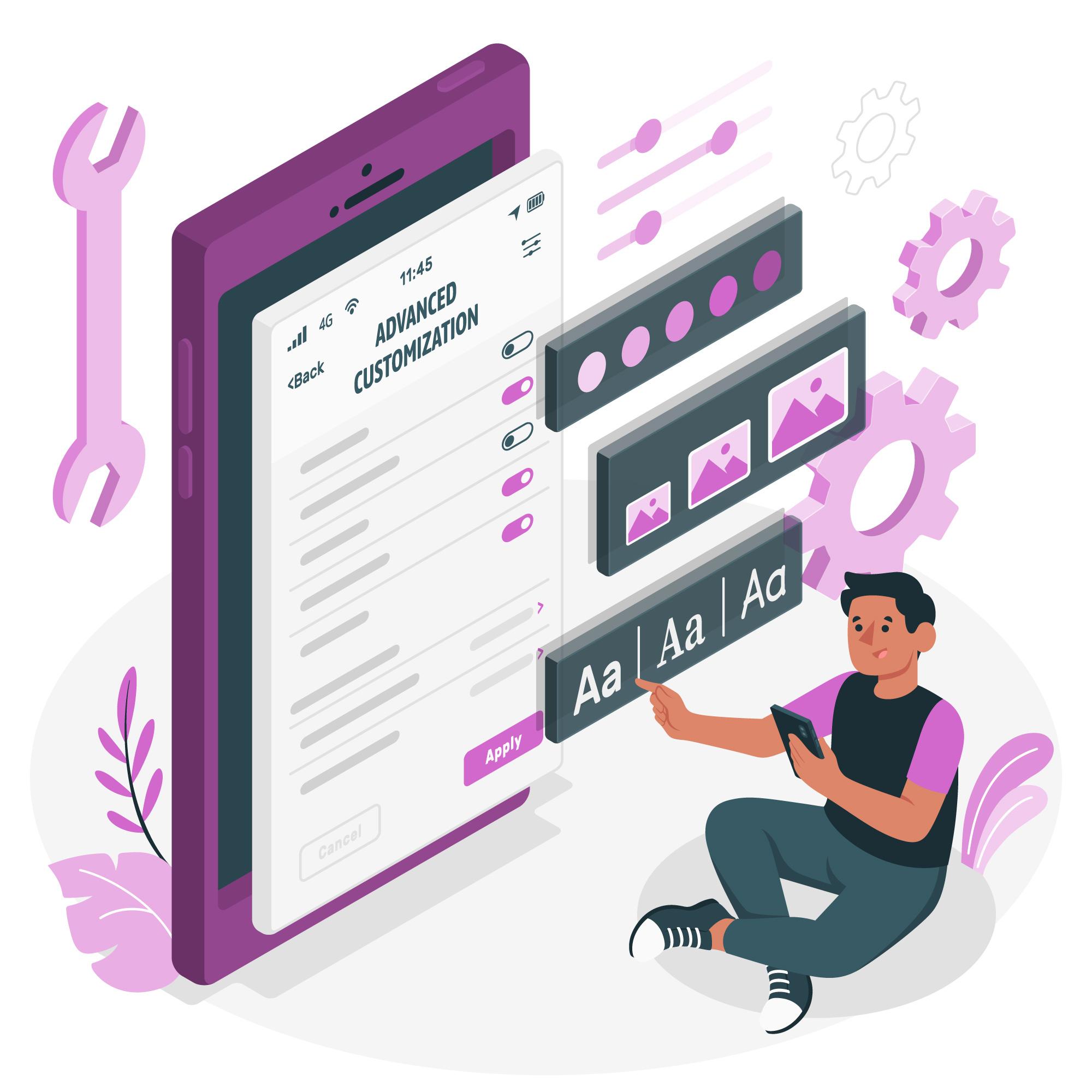
Turn Your Hybrid Mobile App Vision into Reality with Our Full-Service Development:

1. Ideation and Planning
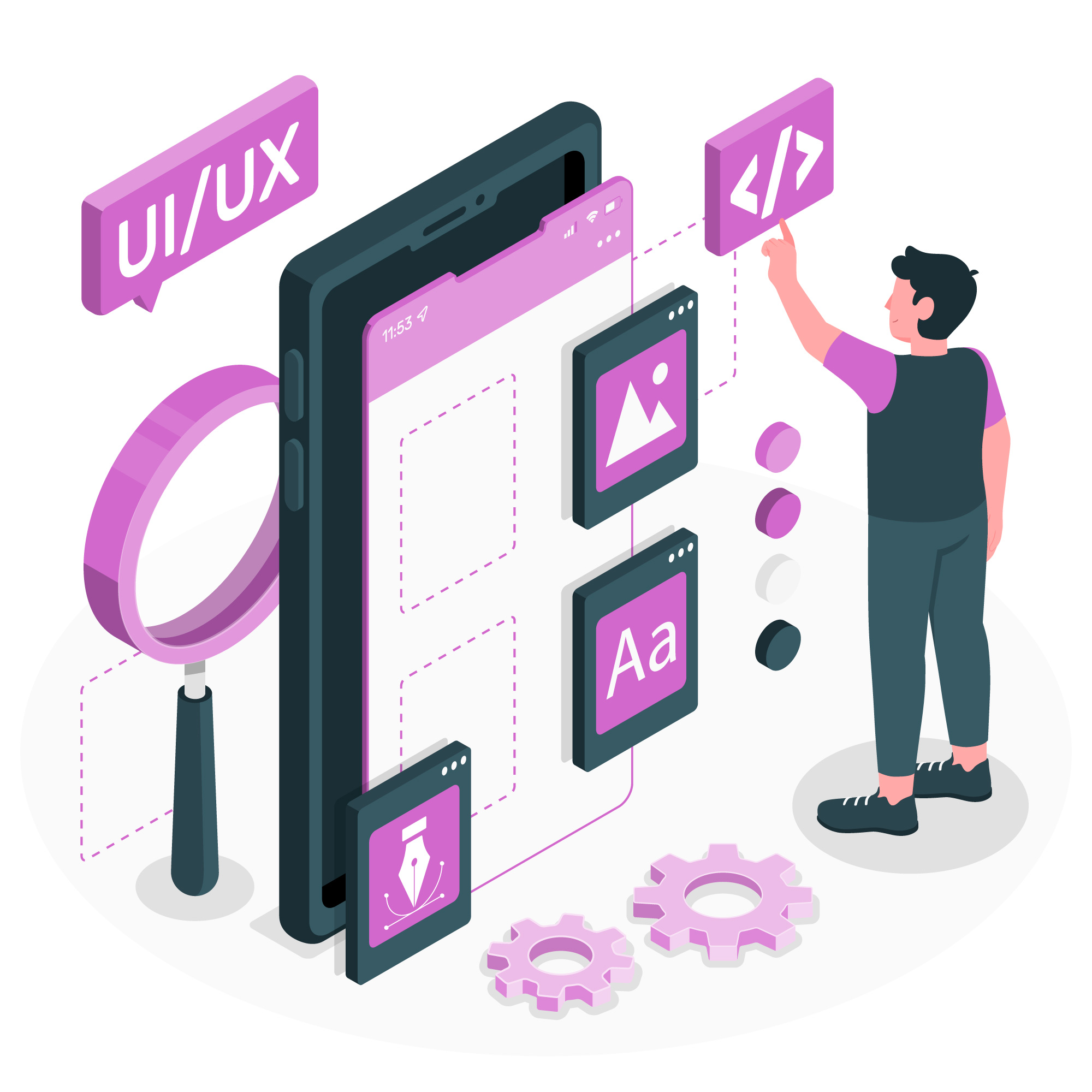
2. Design and Prototyping
![5071196[1]](https://envisionai.io/dev_envisionai.io/wp-content/uploads/2024/02/50711961.jpg "5071196[1]")
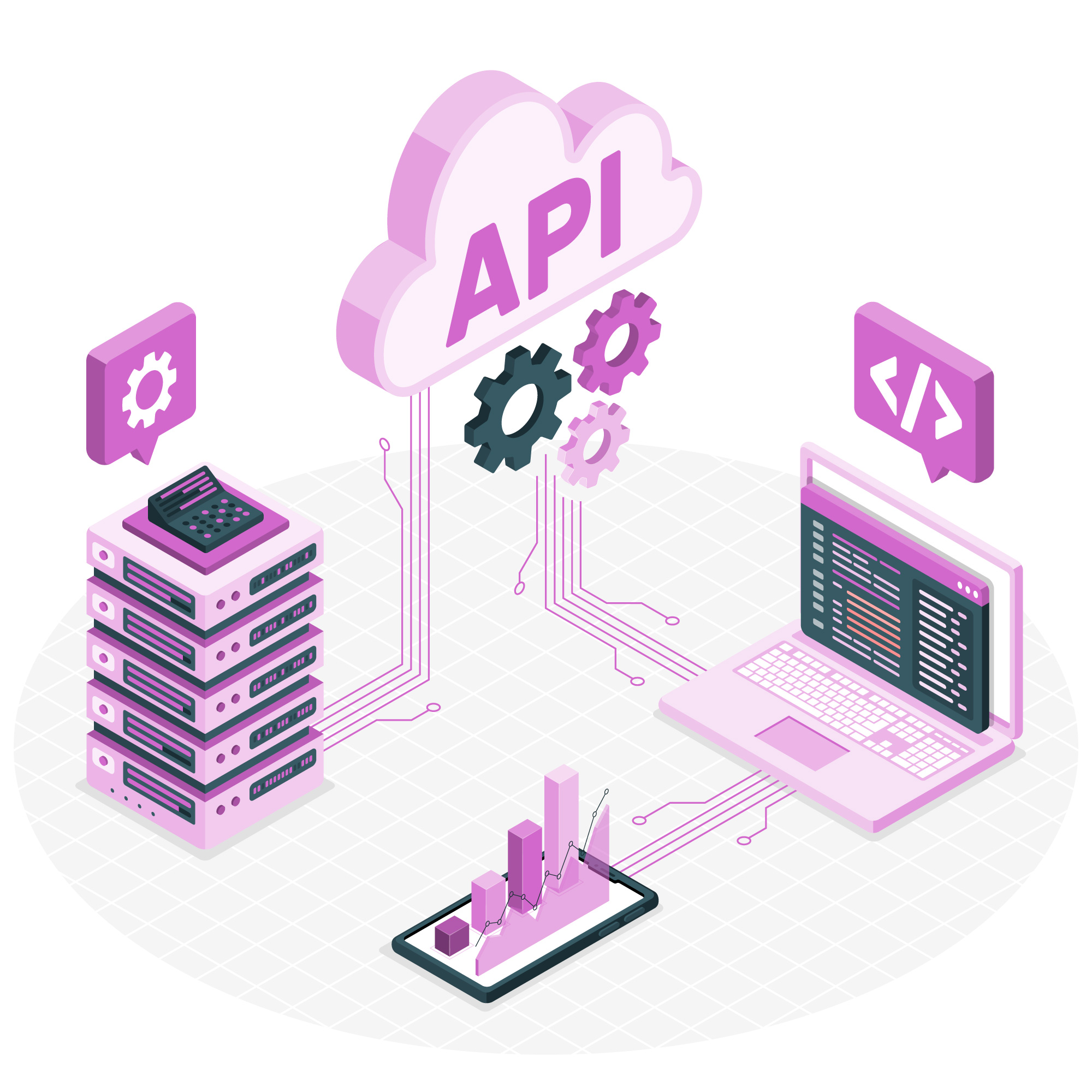
3. Development Across Platforms
4. Rigorous Testing
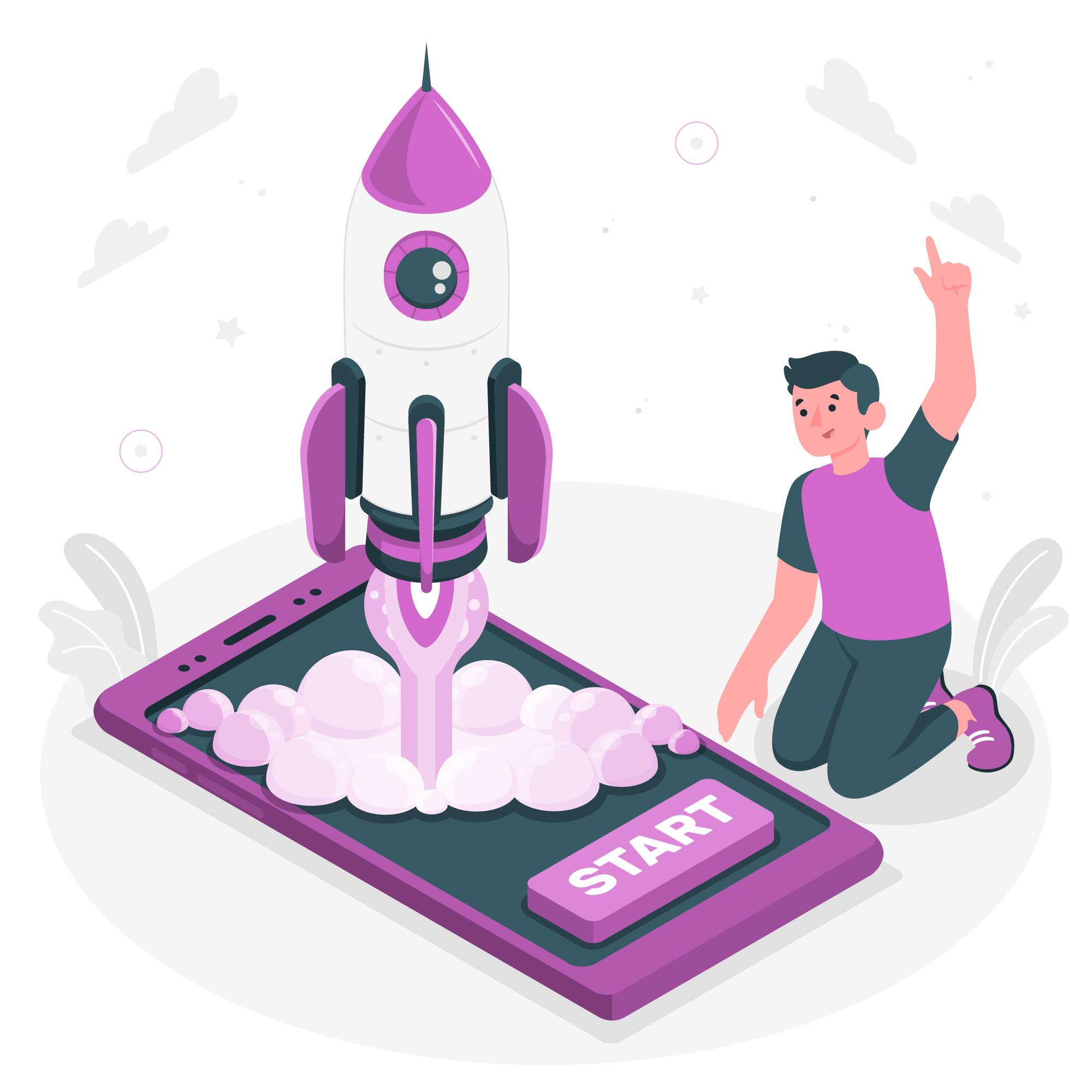
5. Deployment and Launch
Explore Our Technology Stack for Optimal Hybrid Mobile App Development

Flutter Development
Features:
Flutter's biggest advantage is its ability to maintain a single codebase for both iOS and Android platforms, reducing development time and costs.
The "Hot Reload" feature allows developers to instantly see the effect of code changes, enhancing productivity during the development phase.
Flutter offers a wide range of pre-designed widgets and allows easy customization, providing a high level of flexibility in UI design.
Flutter's compiled code ensures high performance, and its use of the Dart programming language further contributes to efficient execution.

React Native Development
Features:
React Native allows the reuse of components across iOS and Android, leading to a more streamlined development process.
With a large and active community, React Native benefits from continuous updates, third-party plugins, and extensive documentation.
Similar to Flutter, React Native supports a "Live Reload" feature, facilitating quick code iterations and speeding up development.
React Native provides near-native performance, as it allows components to be written in native languages such as Java, Swift, or Objective-C when necessary.
Xamarin Development
Features:
Xamarin uses C#, enabling developers to use a single language across all platforms, simplifying the development process.
Xamarin provides native-like performance as the final compiled code is native, resulting in optimal app speed and responsiveness.
Seamless integration with Visual Studio, a widely used development environment, enhances productivity and supports collaborative development.
Xamarin offers a broad range of pre-built components, plugins, and third-party libraries, reducing the need for extensive custom coding.
Back-End Development with NodeJS
Features:
Node.js is known for its event-driven, non-blocking I/O model, ensuring fast and efficient execution.
JavaScript is used for both front-end and back-end development, streamlining the development process.
Node.js is designed to handle a large number of simultaneous connections, making it suitable for scalable applications.
Node.js has a large and active community, contributing to its continuous improvement and support.

Deploy Cloud Database with MongoDB
Features:
MongoDB's schema-less design enables developers to work with evolving data models without the constraints of a fixed schema. This flexibility is particularly beneficial during the iterative development process.
MongoDB is designed to scale horizontally, allowing for seamless distribution of data across multiple servers. This ensures that the database can handle increasing amounts of data and traffic as the app grows.
Data is stored in BSON (Binary JSON) format, which is a binary representation of JSON-like documents. This makes it easy for developers to map data between application objects and database documents.
MongoDB includes a powerful aggregation framework that supports complex queries and data transformations. This is particularly useful for analytics and generating reports.
![6804681[1]](https://envisionai.io/dev_envisionai.io/wp-content/uploads/2024/02/68046811.jpg "6804681[1]")
We transform you vision into Reality!